
Foundation News & Updates
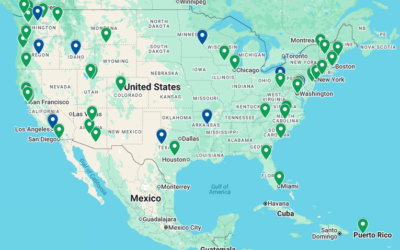
Funded projects map
The CO2 Foundation is proud to have committed over $6M in 4 years of grantmaking to organizations across the US, with impacts worldwide.
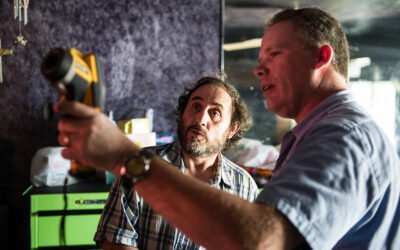
One-stop shops for local climate action, designed to scale
Building shared infrastructure that reduces the burden for communities.
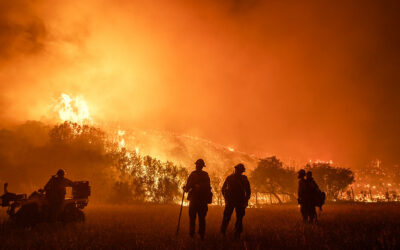
Building psychological support structures for climate first responders
Developing training to help frontline climate responders stay effective for the long haul.
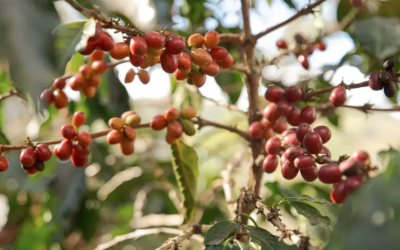
Putting predictive climate tools in the hands of smallholder coffee farmers
Getting AI-powered forecasting to the smallholder farmers who grow most of the world’s coffee.
National Adaptation Forum: travel support + adaptation comms panel
Supporting travel, the Forum, and an adaptation communications panel.
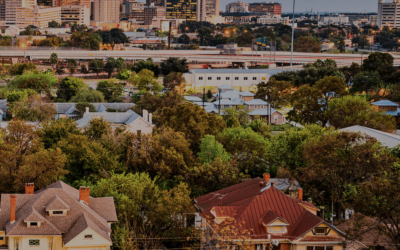
Accelerating a regional resilience strategy in one of America’s fastest-growing regions
Convening cross-sector resilience leaders around shared risks and coordinated solutions.
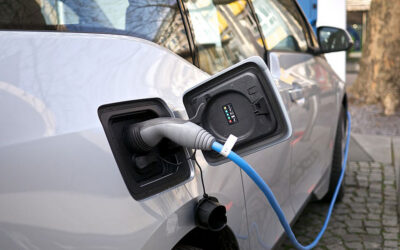
Turning city-owned EVs into backup power for community resilience hubs
Bidirectional electric vehicles can be deployed to multiple sites, reduce diesel pollution, cut energy costs, and leverage existing vehicle purchases.

Shining a light on solutions for a broad audience
Multi-channel public media series shines a light on solutions.
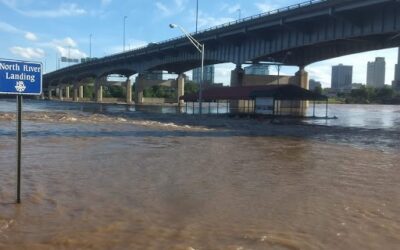
Repurposing tornado sirens to warn vulnerable Arkansans in flood zones
Adapting existing outdoor warning sirens to deliver flood alerts to neighborhoods that smartphone-based systems don’t reliably reach.
Sharing timely adaptation and resilience (A&R) info
Bridge the gap, uniting communities to anticipate and address long-term threats.
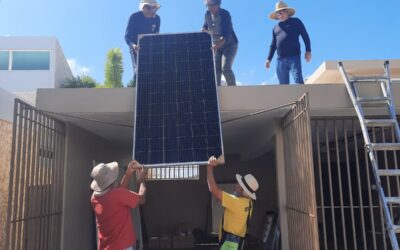
Community-built solar powering Puerto Rico’s most vulnerable neighborhoods
Building energy security from the ground up, one local group at a time.

2025 Annual Report Summary
The CO2 Foundation has created a summary of its 2025 Annual Report, which is available as a PDF and in short form online.

Highlighting best practices in protecting renters from heat
Building a framework to help cities do what they can right now to protect renters from extreme heat.

Designing a mobile energy resilience system for rural communities
Practical, community-centered infrastructure solutions are a critical part of building resilience that reaches everyone.

Convening the climate-mental health field
Building the infrastructure the climate-mental health field needs to address the impacts of extreme weather.