by karen | Jun 10, 2026 | Grantees |
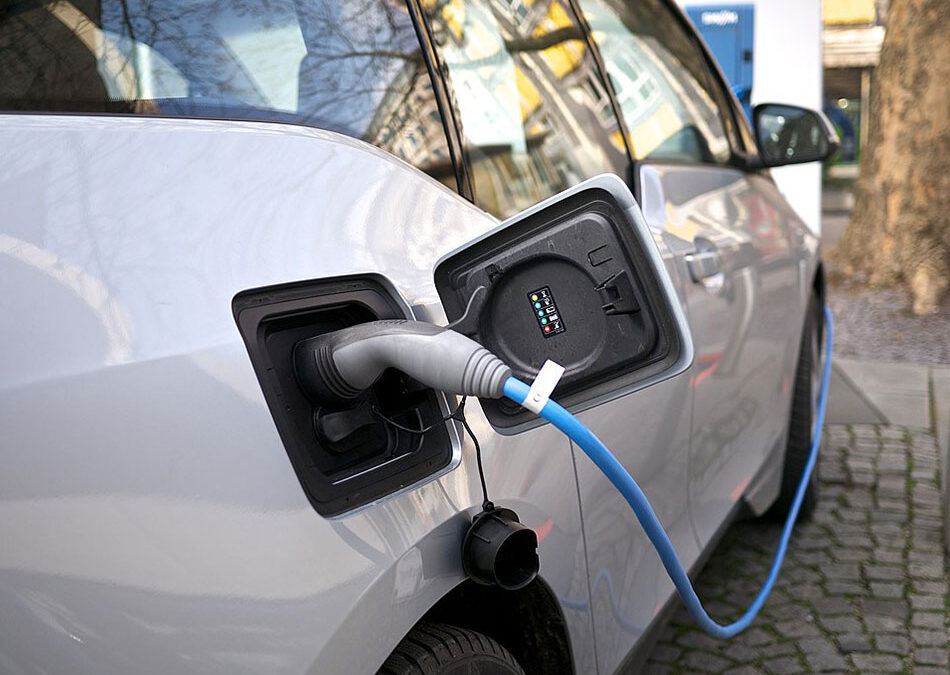
When the grid goes down during a wildfire or extreme heat event, it is common for communities to rely on diesel generators. California municipalities may have a cleaner, smarter option already in their fleets. Bidirectional electric vehicles can store clean energy and...

by karen | May 15, 2026 | Grantees |
Initially published 5/12/2025. Update: CO2 Foundation is continuing support for the Tipping Point series, featuring ways that communities are responding to climate’s urgent risks. On-the ground reporting efforts will include adaptation-themed segments that can...

by karen | May 4, 2026 | Grantees |
With support from the network-weaving nonprofit Anthropocene Alliance (A2), fifteen community-based organizations are advancing a low-cost, life-saving idea: adapting existing outdoor warning sirens to deliver flood alerts to neighborhoods that smartphone-based...
by karen | May 1, 2026 | Grantees |
Initially published 6/30/2025. Update: CO2 Foundation is supporting another suite of episodes: 1. The Greatest Story Never Told: Adaptation’s Communications Gap; 2. After the Disaster: Public Health and the Hidden Toxic Legacy of Extreme Weather; 3. Financing and the...

by karen | Apr 25, 2026 | Grantees |
AMANESER trains residents of lower-income Puerto Rican communities to install and maintain their own solar and battery backup systems on community buildings — building energy security from the ground up, one local group at a time. When Hurricane Maria knocked out...
by karen | Apr 17, 2026 | Grantees |
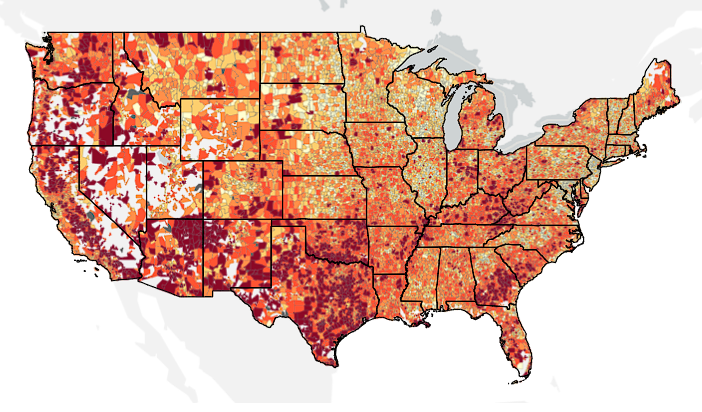
Cities are experimenting with cool roofs, tree canopy programs, indoor temperature limits, and cooling centers. The National Center for Healthy Housing (NCHH) is mapping what’s actually working — and putting that knowledge into tools other communities can use....